
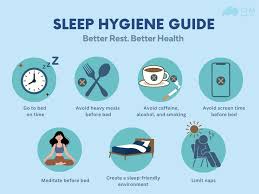
Finding good sleep can be tough. This guide shares easy sleep hygiene tips. You’ll learn what makes sleep better and how to build healthy habits. Get ready to feel more rested and refreshed.
Understanding Sleep Hygiene
Sleep hygiene is all about the habits and surroundings that help you get good sleep. Think of it like cleaning your room. You tidy up so you can relax.
Sleep hygiene is like tidying your sleep habits and space. It makes falling asleep easier and staying asleep better. Good sleep hygiene helps your body and mind relax.
This lets you get the deep rest you need.
Why does it matter so much? Sleep is not a luxury. It’s a basic need.
When you don’t sleep well, everything feels harder. Your mood drops. You can’t focus.
Your body doesn’t repair itself as well. Over time, poor sleep can lead to bigger health issues. Good sleep hygiene helps prevent this.
It’s about creating the best possible conditions for your body to rest.
Many people don’t know where to start. They might try random tips they read online. Some work, some don’t.
This guide breaks it down. We’ll cover the key parts of sleep hygiene. You’ll learn what makes a difference.
We’ll look at your bedroom setup. We’ll also check your daily habits. By the end, you’ll have a clear plan.
My Own Sleep Struggle
I remember one fall. The days got shorter. Work got more demanding.
Suddenly, I was wide awake at 2 AM. My mind raced with to-do lists and worries. The alarm would blare at 6 AM, and I’d feel like I hadn’t slept at all.
It was a dark cloud over my days. I felt groggy, irritable, and just plain tired. I tried drinking chamomile tea, but that only made me get up more.
I even tried counting sheep, but they kept jumping over fences. It felt hopeless. One morning, after a particularly rough night, I looked in the mirror and saw dark circles under my eyes.
I looked as tired as I felt. That’s when I knew I had to get serious about finding a real solution.
I started reading everything I could about sleep. Most of it seemed too complicated. But then I found advice on sleep hygiene.
It wasn’t about magic pills. It was about small, consistent changes. I felt a tiny spark of hope.
I started small. I decided to tackle my bedroom first. Then I looked at what I did all day.
Slowly, things began to shift. It wasn’t an overnight fix, but the gradual improvements were amazing. I learned that the smallest habits could make a big difference.
The Sleep Environment Checklist
1. Dark Room: Use blackout curtains. Even small lights from electronics can disrupt sleep.
2. Cool Temperature: Most people sleep best in a cool room, around 60-67°F (15-19°C).
3. Quiet Space: Use earplugs or a white noise machine if your room is noisy.
4. Comfy Bed: Make sure your mattress and pillows are supportive and comfortable.
Creating Your Sleep Sanctuary
Your bedroom should be a calm place. It should signal to your brain that it’s time to rest. This is a core part of good sleep hygiene.
Think about what you see and feel when you’re there. Is it cozy? Is it peaceful?
Or is it a cluttered space with work papers and bright screens?
Let’s start with light. Light tells your brain to wake up. Even small amounts of light can mess with your sleep signals.
This is why making your room dark is so important. You can use blackout curtains. These are thick curtains that block out almost all light.
Also, cover any lights from electronics. Those little glowing LEDs can be surprisingly disruptive. Dimmer lights before bed also help.
Use lamps instead of overhead lights in the evening. This tells your body it’s time to wind down.
Next up is temperature. Your body temperature naturally drops when you sleep. A cool room helps this process.
Most experts suggest a temperature between 60 and 67 degrees Fahrenheit. If your room is too warm, you might toss and turn. If it’s too cold, you might feel uncomfortable.
Finding that sweet spot is key. It helps you fall asleep faster and stay asleep longer. You might need a fan or to adjust your thermostat.
Experiment to see what feels best for you.
Noise is another big factor. Some people need total silence. Others find a little background noise helps them sleep.
If you live in a noisy area, consider earplugs. These are small and can block out annoying sounds. A white noise machine is another great option.
It produces a constant, soothing sound. This sound can mask sudden noises that might wake you up. It creates a consistent sound environment for sleep.
Try different types of sounds, like fan noise or nature sounds.
Finally, your bed itself needs to be a place of comfort. Your mattress and pillows play a huge role. If you wake up with aches and pains, your mattress might be too old or not supportive enough.
Pillows should support your head and neck. Your bed should feel like a cozy haven. You should look forward to crawling into it.
This isn’t just about luxury; it’s about physical comfort that supports deep sleep.
Bedtime Routine: Your Daily Wind-Down
When to Start: Aim to begin your routine 1-2 hours before your target bedtime.
Activities:
- Read a physical book.
- Take a warm bath or shower.
- Listen to calm music or a podcast.
- Gentle stretching or yoga.
- Journal your thoughts.
Avoid: Bright screens, heavy meals, intense discussions.
Your Daily Habits Matter
Sleep hygiene isn’t just about your bedroom. It’s also about what you do during the day. Your daily routines have a big impact on your sleep at night.
One of the most important habits is sticking to a regular sleep schedule. This means going to bed and waking up around the same time every day. Yes, even on weekends!
Why is this so important? Your body has an internal clock. It’s called the circadian rhythm.
This clock helps regulate when you feel sleepy and when you feel awake. When you keep your sleep schedule consistent, you train this clock. It becomes more predictable.
If you sleep in late on Saturdays and Sundays, you throw your clock off. Then, Monday morning feels like a struggle. It’s like jet lag, but you never left home.
Aim for consistency, within an hour or so, every single day.
What you eat and drink also plays a part. Caffeine is a stimulant. It can keep you awake.
Try to avoid caffeine in the afternoon and evening. That coffee or soda you have at 3 PM might still be in your system when you’re trying to sleep. Alcohol can make you feel sleepy at first.
But it actually disrupts sleep later in the night. It can cause you to wake up more often. Heavy meals close to bedtime can also cause discomfort.
Your body is busy digesting instead of resting. Try to finish eating a few hours before you plan to sleep.
Exercise is generally good for sleep. Regular physical activity can help you sleep more deeply. However, timing matters.
Intense exercise too close to bedtime can be stimulating. It might make it harder to fall asleep. Try to finish your workouts a few hours before you plan to go to bed.
Gentle exercise like yoga or stretching before bed can be calming, though.
One of the biggest culprits for poor sleep is screen time before bed. The blue light emitted from phones, tablets, and computers can trick your brain. It makes it think it’s still daytime.
This suppresses melatonin production. Melatonin is a hormone that signals sleep. So, put those devices away at least an hour before bed.
If you must use a screen, use a blue light filter. But it’s best to avoid them altogether during your wind-down period.
Your Sleep Schedule Guide
Aim for 7-9 Hours: Most adults need this amount of sleep.
Consistent Times: Go to bed and wake up within 1 hour of your usual times, even on weekends.
Listen to Your Body: Notice when you naturally feel tired and when you wake up feeling refreshed.
Avoid Long Naps: If you must nap, keep it short (20-30 minutes) and early in the afternoon.
The Role of Light Exposure
Light is perhaps the most powerful cue for your body’s internal clock. Understanding how light affects you is crucial for good sleep hygiene. Throughout the day, you’re exposed to different types of light.
This exposure helps set your circadian rhythm.
Morning light is especially important. When you wake up, try to get some natural sunlight exposure as soon as possible. Open your curtains.
Go for a short walk outside. This tells your brain that the day has begun. It helps you feel more alert.
It also helps anchor your sleep-wake cycle for the rest of the day. Think of it as a powerful reset button for your internal clock.
As the day goes on, you continue to be exposed to light. This is normal. But as evening approaches, things need to change.
Bright overhead lights, especially those with a blue tint, can be problematic. They mimic daylight. This can delay the onset of sleep.
That’s why dimming the lights in your home as bedtime nears is a good practice. Using lamps with warm-toned bulbs is much better. It creates a more relaxing atmosphere.
The blue light from electronic screens is a major concern for many people. Phones, tablets, computers, and TVs all emit blue light. This type of light is particularly effective at suppressing melatonin.
Melatonin is essential for sleep. When your melatonin levels are low, it’s harder to feel sleepy. This is why experts strongly recommend limiting screen use in the hours leading up to bedtime.
Some devices have “night mode” or blue light filters. These can help reduce the amount of blue light. However, the best approach is often to avoid screens altogether during your wind-down routine.
Consider light in your bedroom. Even small amounts of light can be disruptive. This includes light from street lamps coming through your windows.
It also includes tiny indicator lights on electronics. A completely dark room is ideal for sleep. If you find it difficult to achieve this, blackout curtains are a great investment.
You can also cover up small lights with tape. The goal is to create an environment that signals to your brain that it’s time to rest and recover.
Light Exposure Tips
Morning Light: Get 15-30 minutes of natural sunlight soon after waking.
Evening Dimming: Lower lights in your home 1-2 hours before bed.
Screen Time: Avoid screens for at least 1 hour before sleep.
Bedroom Darkness: Ensure your room is as dark as possible.
Managing Stress and Anxiety
Stress and anxiety are huge sleep disruptors. When your mind is racing, it’s hard for your body to switch off. Many people find that their worries come out at night.
Sleep hygiene includes strategies to manage these feelings.
One effective method is a “worry journal.” Before bed, take 10-15 minutes to write down all your worries. Get them out of your head and onto paper. Then, try to set them aside until morning.
You can even write down potential solutions or next steps for your worries. This can help you feel more in control. It stops your mind from replaying them endlessly when you’re trying to sleep.
Mindfulness and meditation are also very helpful. These practices teach you to focus on the present moment. They can calm your nervous system.
Even a few minutes of deep breathing exercises before bed can make a difference. There are many guided meditations available on apps and online. They can lead you through a calming session.
This helps clear your mind of racing thoughts.
Relaxation techniques are crucial. A warm bath can be very relaxing. Adding Epsom salts can enhance the effect.
Gentle stretching or yoga before bed can release physical tension. This tension can often be linked to mental stress. Listening to calming music or nature sounds can also create a peaceful atmosphere.
The goal is to signal to your body that it’s safe to relax and let go of the day’s stresses.
It’s also important to avoid bringing work or stressful conversations into the bedroom. Your bedroom should be a haven for sleep and intimacy. Don’t use it as a home office or a place to argue.
If you find yourself dwelling on problems in bed, try getting up for a few minutes. Do a quiet, relaxing activity in another room. Then, return to bed when you feel sleepy.
This helps break the association between your bed and wakeful worry.
Stress Reduction Toolkit
Journaling: Write down worries and possible solutions.
Deep Breathing: Practice slow, deep breaths for 5 minutes.
Warm Bath: Add Epsom salts for extra relaxation.
Calming Sounds: Use a white noise machine or soothing music.
What to Do When You Can’t Sleep
It happens to everyone: you’re lying in bed, and sleep just isn’t coming. What do you do? The worst thing you can do is lie there and get frustrated.
This makes the problem worse. It creates a negative association with your bed.
If you’ve been trying to fall asleep for about 20 minutes, it’s time to get out of bed. Go to another room. Do a quiet, relaxing activity.
Read a book under dim light. Listen to calm music. Avoid screens and anything that might wake you up too much.
The goal is to do something calming until you feel sleepy again. Then, go back to bed. If you still can’t sleep after another attempt, repeat the process.
This strategy helps break the cycle of trying too hard to sleep and failing.
It’s also important to avoid clock-watching. Constantly checking the time can increase anxiety about not sleeping. Turn your clock away from you or cover it up.
Focus on relaxing rather than on how much time is passing. Remember, sleep is not something you can force. It happens more easily when you relax and let it come naturally.
During the day, try to expose yourself to bright natural light. This helps regulate your body clock. It makes you feel more tired at bedtime.
Also, ensure you’re getting enough physical activity. But avoid intense exercise too close to bedtime. These daytime habits can make a big difference in your ability to fall asleep when you go to bed.
For some people, their sleep problems might be ongoing. If you consistently struggle with sleep, it’s a good idea to talk to a doctor. They can help rule out any underlying medical conditions.
They can also offer more personalized advice. Sometimes, a condition like sleep apnea or restless legs syndrome can interfere with sleep. A doctor can help diagnose and treat these issues.
They can also refer you to a sleep specialist if needed. Don’t hesitate to seek professional help if your sleep problems are persistent.
In-Bed vs. Out-of-Bed Strategies
In Bed: Try to relax, focus on breathing, listen to your body.
When to Get Up: If you’re awake and frustrated for 20+ minutes.
Out of Bed Activities: Read a book, listen to calm music, gentle stretching.
Avoid: Screens, work, anything stimulating.
Return to Bed: Only when you feel sleepy again.
The Impact of Diet on Sleep
What you eat and drink has a direct impact on how well you sleep. This is a key part of sleep hygiene that many people overlook. Your diet can either help or hinder your efforts to get a good night’s rest.
Caffeine is a well-known stimulant. It blocks adenosine, a chemical that makes you feel tired. While a morning coffee can be helpful for alertness, having it too late in the day can be disruptive.
Caffeine has a long half-life, meaning it stays in your system for hours. Experts generally advise avoiding caffeine at least 6 hours before bedtime. This includes coffee, tea, soda, and chocolate.
Alcohol might make you feel drowsy initially, but it disrupts sleep architecture. It can suppress REM sleep and lead to more awakenings later in the night. While a small amount might not affect everyone, it’s best to limit alcohol intake, especially close to bedtime.
Aim to finish your last alcoholic drink several hours before you plan to sleep.
Heavy meals before bed can also cause problems. Your body needs to digest food, which can keep you awake. It can also lead to indigestion or heartburn.
Try to finish your dinner at least 2-3 hours before going to sleep. If you’re hungry before bed, opt for a light, healthy snack. Something like a small bowl of oatmeal or a banana can be good choices.
Avoid sugary snacks, which can cause energy spikes and crashes.
Certain nutrients can play a role in sleep. Tryptophan, an amino acid found in foods like turkey, milk, and nuts, is a precursor to serotonin and melatonin. Serotonin is a mood regulator, and melatonin is the sleep hormone.
While eating a whole meal rich in tryptophan won’t instantly make you sleepy, ensuring you get enough of these nutrients in your diet can support healthy sleep patterns over time. Magnesium-rich foods, like leafy greens and seeds, may also promote relaxation.
Hydration is also important, but timing matters. Drinking too much fluid right before bed can lead to frequent trips to the bathroom. This interrupts sleep.
Try to stay hydrated throughout the day. Reduce your fluid intake in the couple of hours before you go to bed. This minimizes nighttime awakenings for bathroom breaks.
Diet & Sleep Quick Guide
Caffeine: Avoid after 2 PM.
Alcohol: Limit, especially in the evening.
Late Meals: Finish eating 2-3 hours before bed.
Snacks: Light and healthy if needed (banana, small yogurt).
Fluids: Stay hydrated, but reduce intake before sleep.
When Is It Time to See a Doctor?
While improving your sleep hygiene can solve many sleep problems, it’s not always enough. If you’ve tried these tips consistently for a few weeks and are still struggling, it’s time to seek professional help. Persistent sleep issues can sometimes be a sign of an underlying medical condition.
One common sleep disorder is insomnia. This is when you have trouble falling asleep, staying asleep, or both. Chronic insomnia can significantly impact your daily life.
It can lead to fatigue, mood problems, and difficulty concentrating. A doctor can help determine if you have insomnia and explore treatment options. These might include cognitive behavioral therapy for insomnia (CBT-I) or, in some cases, medication.
Another condition to consider is sleep apnea. This is where breathing repeatedly stops and starts during sleep. It can lead to loud snoring and daytime sleepiness.
Sleep apnea is serious and can have long-term health consequences if untreated. A doctor can order a sleep study to diagnose sleep apnea.
Restless Legs Syndrome (RLS) is another condition that affects sleep. It causes an irresistible urge to move your legs, often accompanied by uncomfortable sensations. This urge typically occurs when you’re resting or trying to sleep.
RLS can make it very difficult to fall asleep.
If you experience any of the following, it’s a good idea to consult a doctor:
- Constant daytime sleepiness, even after a full night’s sleep.
- Loud, persistent snoring.
- Episodes of not breathing during sleep (reported by a partner).
- An irresistible urge to move your legs that disrupts sleep.
- Waking up frequently with unexplained panic or anxiety.
- Difficulty falling asleep or staying asleep despite consistent good sleep hygiene practices.
Your doctor can evaluate your symptoms. They might ask you questions about your sleep habits, medical history, and lifestyle. They can also perform a physical examination.
Depending on your symptoms, they may refer you to a sleep specialist or order further tests, such as a sleep study. Early diagnosis and treatment are key to managing sleep disorders and improving your overall health and well-being.
Red Flags for Seeking Medical Advice
Persistent Daytime Sleepiness: Feeling tired despite trying to sleep well.
Loud Snoring: Especially if it’s disruptive or you gasp for air.
Breathing Pauses: If a sleep partner notices you stop breathing.
Uncontrollable Leg Movements: The urge to move legs that keeps you awake.
Chronic Insomnia: Months of struggling to sleep.
Common Misconceptions About Sleep
There are many myths surrounding sleep. Understanding them can help you avoid falling into bad habits or unnecessary worry. Let’s clear up a few common ones.
Myth: You can “catch up” on lost sleep by sleeping in on weekends. While sleeping in can help you feel a bit more rested, it doesn’t fully compensate for sleep deprivation. It can also throw off your body clock. Consistency is key for good sleep hygiene.
Try to maintain a regular sleep schedule as much as possible, even on days off.
Myth: Older people need less sleep. While sleep patterns change as we age, most older adults still need 7-8 hours of sleep per night. They might experience lighter sleep or more frequent awakenings, but the need for sleep remains similar. If an older person is consistently tired, it’s worth investigating.
Myth: Drinking alcohol before bed helps you sleep. As we discussed, alcohol might make you drowsy initially, but it disrupts sleep quality. It leads to more awakenings and less restorative sleep. It’s better to avoid alcohol close to bedtime for optimal rest.
Myth: Hitting the snooze button is harmless. While it might feel like a few extra minutes of rest, hitting snooze often leads to fragmented, low-quality sleep. This can leave you feeling groggier than if you had just woken up at your original alarm time. It’s often better to set your alarm for the time you truly need to get up.
Myth: If you can’t sleep, you should just stay in bed and try harder. As mentioned earlier, this can create negative associations with your bed. If you’ve been awake for about 20 minutes, it’s usually better to get out of bed and do a quiet, relaxing activity until you feel sleepy again.
Understanding these common misconceptions can help you make better choices about your sleep habits. Focusing on evidence-based sleep hygiene practices is more effective than relying on popular myths. It’s about building a foundation of healthy behaviors that support consistent, restful sleep.
Sleep Myths vs. Facts
Myth: You can catch up on sleep on weekends.
Fact: Weekend sleep-ins can disrupt your body clock; consistency is best.
Myth: Older people need less sleep.
Fact: Most adults, regardless of age, need 7-9 hours.
Myth: Alcohol before bed is a good sleep aid.
Fact: Alcohol disrupts sleep quality and can lead to awakenings.
Putting It All Together: Your Sleep Hygiene Plan
So, where do you start? It can feel like a lot of information. The best approach is to pick a few things to focus on first.
Don’t try to change everything at once. Small, consistent changes are the most effective. Think about what seems easiest or most important for you right now.
Maybe your bedroom light is the biggest issue. Start by getting some blackout curtains. Or perhaps you’re using your phone right up until bedtime.
Try putting your phone away an hour before you plan to sleep.
Once you’ve made a habit of one or two changes, pick another. Add a consistent bedtime routine. Try to get some morning sunlight.
Make sure your bedroom is cool and dark. Pay attention to what you eat and drink in the evenings. Notice how these changes make you feel.
Keep a sleep diary for a week or two. Note down when you went to bed, when you woke up, how long you think you slept, and how you felt during the day. This can help you see what’s working.
Remember that progress isn’t always linear. There will be nights when sleep is still a struggle. That’s perfectly normal.
Don’t get discouraged. Just get back on track with your healthy habits the next day. The goal is to create an overall pattern of good sleep hygiene.
This will lead to better sleep over time. Consistency and patience are your best allies.
Focus on creating a sleep environment and daily habits that support rest. Your body and mind will thank you for it. Better sleep means more energy, better focus, and a brighter mood.
It’s one of the best investments you can make in your health and happiness. Start small, be consistent, and celebrate your progress. You deserve to feel well-rested.
Your Actionable Sleep Plan
Step 1: Focus on Environment: Ensure your bedroom is dark, cool, and quiet.
Step 2: Create a Routine: Establish a relaxing wind-down period before bed.
Step 3: Adjust Habits: Limit caffeine and screens, and stick to a regular sleep schedule.
Step 4: Track Progress: Keep a simple sleep diary to see what works.
Step 5: Be Patient: Allow time for changes to take effect. Don’t get discouraged by occasional off nights.
Frequently Asked Questions About Sleep Hygiene
What is the most important sleep hygiene tip?
Consistency in your sleep schedule (going to bed and waking up around the same time every day) is often considered the most crucial sleep hygiene tip. It helps regulate your body’s natural sleep-wake cycle, also known as the circadian rhythm. This consistency makes it easier to fall asleep and wake up feeling refreshed.
How long does it take to see results from improving sleep hygiene?
It varies from person to person. Some people notice improvements within a few days, while for others, it might take a few weeks of consistent effort. It’s important to be patient and stick with the changes.
The goal is to build sustainable habits that lead to long-term improvements in sleep quality.
Can I still drink coffee in the morning?
Yes, for most people, morning coffee is fine. The key is timing. Caffeine’s effects can last for several hours, so it’s generally advised to avoid caffeine in the afternoon and evening, typically at least 6 hours before your planned bedtime.
This allows your body to process the caffeine so it doesn’t interfere with sleep.
Is it bad to use my phone in bed?
Yes, using your phone in bed right before sleep is generally not recommended. The blue light emitted from screens can suppress melatonin, a hormone that signals sleepiness to your brain. This can make it harder to fall asleep.
It’s best to put electronic devices away at least an hour before bedtime and use that time for relaxing activities instead.
What if I have trouble falling asleep after getting into bed?
If you’ve been lying in bed for about 20 minutes and can’t fall asleep, it’s best to get out of bed. Go to another room and do a quiet, relaxing activity, like reading a book under dim light. Avoid screens or anything stimulating.
Return to bed only when you feel sleepy. This helps prevent your bed from becoming associated with frustration and wakefulness.
Do I need a completely dark room to sleep well?
A completely dark room is ideal for optimal sleep. Light, even small amounts from electronics or streetlights, can signal to your brain that it’s time to be awake. Using blackout curtains, covering small indicator lights on devices, and ensuring minimal light exposure can significantly improve sleep quality.
If total darkness is impossible, aim for as dark as you can comfortably achieve.
Final Thoughts on Better Sleep
Getting good sleep is a journey, not a destination. Implementing good sleep hygiene is about making small, consistent changes. These habits help your body and mind prepare for rest.
It’s about creating a supportive environment and routines. Be kind to yourself through this process. Some nights will be better than others.
The key is to keep trying and to celebrate the progress you make. Your well-being depends on it, and you deserve to feel rested and revitalized.
