
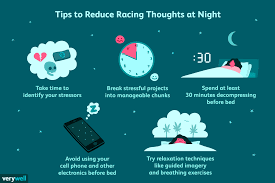
Relaxing before bed is key for good sleep. Simple habits like deep breathing, gentle stretches, and limiting screen time can ease your mind. Creating a calm bedtime routine helps signal your body it’s time to rest. This leads to faster sleep onset and better sleep quality.
What is Bedtime Relaxation?
Bedtime relaxation means getting your body and mind ready for sleep. It’s about slowing down. You want to ease away from the day’s stress.
This isn’t about forcing sleep. It’s about creating the best conditions for sleep to happen naturally. Think of it as a gentle wind-down.
You are signaling to your brain and body that it’s time to rest.
Our bodies have a natural sleep-wake cycle. This is called the circadian rhythm. When we are stressed or overstimulated, this rhythm gets disrupted.
We might feel tired but wired. Relaxation techniques help reset this cycle. They lower your heart rate.
They also reduce stress hormones like cortisol. This makes your body feel safe and ready to sleep.
My Own Struggle with Winding Down
I remember one evening distinctly. The clock showed 10 PM. I had a huge project deadline looming.
My mind was racing with to-do lists. I’d been staring at a bright computer screen for hours. Every time I tried to close my eyes, new worries popped up.
My heart was beating fast. My shoulders felt tight and sore. I felt a knot in my stomach.
I tossed and turned for what felt like ages. Sleep seemed miles away.
It was a lonely feeling. The quiet of the night made my thoughts louder. I felt so much frustration.
I just wanted to escape the cycle. This happened for many nights. I knew I needed a change.
I started looking for real ways to calm my mind. It wasn’t easy at first. But slowly, I found what worked for me.
That journey led me to understand simple tricks that really help.
Quick Bedtime Calm Checklist
Check 1: Screen Time Check
Did you use phones, tablets, or computers within an hour of bed? The blue light can trick your brain into thinking it’s still daytime.
Check 2: Caffeine & Heavy Food?
Did you have caffeine or a big meal close to bedtime? These can keep you awake and cause discomfort.
Check 3: Mental To-Do List?
Was your mind full of tasks or worries? Try writing them down before bed to clear your head.
Understanding Sleep Hygiene
Sleep hygiene refers to habits. These habits help promote good sleep. It’s about creating a sleep-friendly environment.
It also means having a consistent sleep schedule. Good sleep hygiene is the foundation. Relaxation is a big part of it.
But it also includes things like your bedroom. Is it dark enough? Is it quiet?
Is it cool?
Your body loves routine. Going to bed and waking up at the same time helps. This includes weekends.
Even one night of staying up late can disrupt your rhythm. Think of your body like a well-oiled machine. It runs best when things are predictable.
Sleep hygiene helps keep that machine running smoothly. It makes it easier to relax when bedtime comes.
Simple Relaxation Techniques to Try
There are many ways to relax. Not all methods work for everyone. It’s about trying different things.
Find what feels good for you. Start with simple, gentle practices. They don’t require special equipment.
They are easy to fit into your evening.
Deep Breathing Exercises
Breathing is something we do all the time. But we often breathe shallowly. Deep breathing can slow your heart rate.
It sends more oxygen to your brain. This can help you feel calmer. Try counting your breaths.
Inhale slowly through your nose for a count of four. Hold for a count of seven. Exhale slowly through your mouth for a count of eight.
Repeat this cycle. Focus only on your breath. If your mind wanders, gently bring it back to the counting.
Progressive Muscle Relaxation (PMR)
This technique involves tensing and releasing muscles. You start with your toes. You tense them tightly for a few seconds.
Then, you release the tension. Feel the difference. Move up your body.
Tense your calves, then thighs, then your stomach. Do this for your arms, hands, shoulders, and face.
PMR helps you notice where you hold tension. It teaches your body to let go of that tightness. This physical release can lead to mental calm.
It helps you feel more grounded. It makes your body feel heavy and relaxed.
Gentle Stretching or Yoga
Light movement can be very relaxing. Avoid vigorous exercise close to bed. Instead, try some gentle yoga poses.
Or simply do some slow stretches. Focus on releasing tension in your neck and shoulders. Try a gentle forward bend or a child’s pose.
These can help quiet a busy mind.
The key is to move slowly. Listen to your body. Don’t push yourself.
The goal is to release tension, not to work out. It’s about preparing your muscles to rest. A calm body helps lead to a calm mind.
Myth vs. Reality: Evening Relaxation
| Myth | Reality |
| You have to meditate for hours to relax. | Even 5 minutes of deep breathing can help. Short, regular practice is key. |
| Listening to loud music is relaxing. | Calm, gentle music or nature sounds are more helpful for sleep. |
| You need special equipment to relax. | Simple techniques like breathing and stretching need nothing but you. |
Creating a Bedtime Routine
A bedtime routine is a set of consistent actions. You do these things every night before sleep. It signals to your body that sleep is coming.
This routine can be as short as 30 minutes. It should be enjoyable and calming. Make it a sacred time for yourself.
The best routine is one you will actually stick to. It should be personalized. Think about what helps you feel calm.
It might involve a warm bath. It could be reading a physical book. Perhaps it’s listening to a calming podcast.
The goal is to transition away from the day’s demands. You are shifting into a state of rest.
The Power of a Dim Light
Light has a big effect on our sleep-wake cycle. Bright lights, especially blue light, tell your brain to wake up. As evening approaches, dim the lights in your home.
Use warm, soft lighting. This helps your body produce melatonin. Melatonin is a hormone that helps you feel sleepy.
Avoid harsh overhead lights. Lamps with warm bulbs are better.
This is why many experts suggest avoiding screens before bed. Phones, tablets, and computers emit blue light. If you must use them, consider blue-light blocking glasses.
Or, use the “night mode” settings on your devices. But ideally, put them away an hour or two before sleep.
Mindful Listening
Sound can influence our mood and relaxation. For some, silence is golden. For others, gentle background noise is better.
This could be calming music. Or it might be nature sounds like rain or ocean waves. Some people find white noise helpful.
It can block out disruptive sounds. Experiment to see what works for you.
The key is to choose sounds that are not stimulating. Avoid anything with sudden loud noises. Or music with a strong beat.
The goal is a consistent, soothing soundscape. This can create a peaceful atmosphere. It helps mask distracting noises that might wake you.
Observational Flow: A Gentle Evening Wind-Down
6:00 PM: Finish Dinner
Enjoy your last meal. Avoid heavy or spicy foods.
7:00 PM: Tidy Up & Prep
Do a quick tidy of your space. Pack your lunch or lay out clothes for tomorrow.
8:00 PM: Low-Key Activity
Read a book, listen to calm music, or do a gentle hobby.
9:00 PM: Dim Lights & Screen-Free Zone Starts
Lower the lights. Put away phones and tablets.
9:30 PM: Relaxing Routine
Take a warm bath, stretch, or do deep breathing.
10:00 PM: Bedtime
Aim to be in bed, ready to sleep.
What to Avoid Before Bed
Just as important as what to do is what to avoid. Certain activities and substances can sabotage your efforts. They can make it much harder to relax and fall asleep.
Being aware of these is half the battle. Let’s look at some common culprits.
Caffeine and Alcohol
Caffeine is a stimulant. It can stay in your system for hours. Even if you drink it in the afternoon, it might affect your sleep.
Avoid coffee, tea, soda, and chocolate late in the day. Alcohol might make you feel drowsy at first. But it disrupts sleep later in the night.
It can lead to more awakenings.
For many people, the cutoff for caffeine is early afternoon. Maybe 2 PM. Alcohol’s effects on sleep are complex.
It might help you fall asleep faster. But it reduces your deep sleep. This is the most restorative stage of sleep.
So, it’s best to limit alcohol close to bedtime.
Heavy Meals and Sugary Snacks
Eating a large meal right before bed can cause indigestion. This discomfort makes it hard to sleep. Your body is busy digesting.
It’s not focused on resting. Sugary snacks can also cause a spike and crash in blood sugar. This can disrupt sleep.
It can lead to waking up during the night.
If you are hungry, a light, healthy snack is okay. Think a small banana or a handful of almonds. These are easy to digest.
They won’t interfere with sleep. Aim to finish your last big meal at least two to three hours before bed.
Strenuous Exercise
While exercise is great for sleep overall, timing matters. Intense workouts raise your heart rate and body temperature. Doing this too close to bed can make it harder to wind down.
Your body needs time to cool down. It needs to shift from an active state to a resting state.
If you love evening workouts, try to finish them at least three hours before sleep. Opt for gentler activities later in the evening. Light stretching or a calm walk is a better choice for relaxation.
It helps your body prepare for rest.
Quick Scan: Timing Matters
- Caffeine: Cut off by early afternoon (e.g., 2 PM).
- Alcohol: Limit in the hours before bed.
- Heavy Meals: Finish 2-3 hours before sleep.
- Intense Exercise: Complete 3+ hours before bed.
- Blue Light (Screens): Avoid 1-2 hours before sleep.
The Role of Your Bedroom Environment
Your bedroom should be a sanctuary. It’s a place for rest and sleep. The environment plays a huge role in your ability to relax.
Think about temperature, light, and noise. Making a few changes can make a big difference. These are simple fixes that can really help.
Keep It Cool and Dark
Most people sleep best in a cool room. The ideal temperature is often between 60-67 degrees Fahrenheit. A cooler room helps your body temperature drop.
This signals sleep. It’s hard to relax if you’re too hot or too cold.
Darkness is also crucial for melatonin production. Use blackout curtains if outside light is an issue. Cover any small lights from electronics.
Even a tiny bit of light can disrupt your sleep. Make your bedroom as dark as possible.
Minimize Noise
Sudden noises can startle you awake. If you live in a noisy area, consider earplugs. Or use a white noise machine.
A fan can also provide a consistent, gentle sound. Experiment with different options. Find what creates a peaceful soundscape for you.
Some people find complete silence jarring. Others need absolute quiet. Pay attention to what wakes you up.
Then, find a way to block or mask those sounds. A consistent, low-level sound is often more helpful than silence. It creates a buffer against sudden disruptions.
Mindfulness and Meditation for Sleep
Mindfulness is about paying attention to the present moment. Without judgment. Meditation is a practice that helps you do this.
You don’t need to be an expert. Simple mindfulness exercises can be very effective before bed. They help you let go of racing thoughts.
Try a body scan meditation. Lie down and focus your attention on each part of your body. Notice any sensations.
Don’t try to change anything. Just observe. This brings your awareness back to your body.
It takes you out of your head. This can be incredibly calming.
Guided Meditations
There are many apps and online resources for guided meditations. These can be very helpful for beginners. A soothing voice will lead you through the process.
They often focus on relaxation or sleep. Look for meditations specifically designed for winding down.
Many of these are short, maybe 10-20 minutes. You can listen as you lie in bed. Let the words wash over you.
They can guide your thoughts away from worries. They help you focus on calm and rest. This can be a powerful tool for deep relaxation.
When to Seek Professional Help
Persistent Insomnia: If you consistently have trouble falling asleep or staying asleep for weeks.
Daytime Fatigue: If poor sleep significantly impacts your daily energy, focus, and mood.
Underlying Conditions: If you suspect a medical issue like sleep apnea or restless legs syndrome.
High Anxiety/Stress: If anxiety is the primary reason for your sleep struggles and self-help isn’t enough.
What This Means For You
Understanding how to relax before bed is not just about falling asleep faster. It’s about improving your overall well-being. When you sleep better, you have more energy.
Your mood improves. Your ability to focus gets better. Your immune system gets stronger.
Start small. Pick one or two things from this guide. Try them consistently for a week.
See how you feel. Don’t get discouraged if it takes time. Building new habits takes practice.
The goal is progress, not perfection. Your body and mind will thank you for the effort.
When is it Normal to Be Restless?
It’s completely normal to have nights where you feel restless. Life happens. Stressful days, exciting events, or even just a change in routine can cause this.
A single night of poor sleep is usually not a cause for alarm. Your body typically corrects itself.
The key is to not let one bad night turn into many. If you find yourself worrying about not sleeping, that worry itself can keep you awake. Try to accept that some nights are harder than others.
Focus on creating good habits overall.
When to Consider Professional Advice
If you consistently struggle with sleep, it’s worth talking to a doctor. There could be an underlying medical reason. Or a doctor can offer more targeted strategies.
They can help you explore therapies like Cognitive Behavioral Therapy for Insomnia (CBT-I).
CBT-I is a very effective treatment. It helps you change thoughts and behaviors that interfere with sleep. It’s considered the gold standard for chronic insomnia.
Don’t hesitate to seek help if you feel your sleep is severely impacting your life. You deserve good rest.
Quick Fixes and Tips for a Calm Evening
Here are some easy-to-implement tips. Try adding these to your evening routine.
- Warm Bath or Shower: The drop in body temperature afterward helps signal sleep.
- Herbal Tea: Chamomile, lavender, or valerian root teas can promote relaxation.
- Journaling: Write down your thoughts or worries before bed to clear your mind.
- Aromatherapy: Use essential oils like lavender in a diffuser or a few drops on your pillow.
- Reading: Choose a physical book (not an e-reader with a bright screen) in a relaxed setting.
- Light Snack: If hungry, opt for something light like a banana or a few almonds.
Frequently Asked Questions
What is the best time to start winding down before bed?
Most experts suggest starting your wind-down routine about 1 to 2 hours before you plan to sleep. This gives your body and mind enough time to transition away from the day’s activities and prepare for rest.
Can listening to music help me relax before bed?
Yes, gentle, calming music or nature sounds can be very effective. Avoid anything with a fast beat or lyrics that might engage your mind too much. The goal is soothing, ambient sound.
How often should I do relaxation exercises before bed?
Consistency is key. Try to incorporate relaxation techniques into your routine every night. Even short, regular practice is more beneficial than occasional long sessions.
What if I can’t stop thinking about my worries?
Try a ‘thought-dump’ before bed. Write down all your worries and tasks in a notebook. Tell yourself you will deal with them tomorrow.
You can also try mindfulness to gently redirect your focus back to the present moment.
Is it okay to watch TV before bed?
It’s generally not recommended. The bright light from screens can interfere with melatonin production. Also, the content of TV shows can be stimulating or worrying, making it harder to relax.
If you must watch, dim the screen and choose something very calm and non-engaging.
Can I still relax if my bedroom isn’t perfect?
Absolutely. While an ideal environment helps, you can still make progress. Focus on the relaxation techniques themselves.
Even small improvements in your routine can make a difference, regardless of your bedroom’s current state.
Final Thoughts
Learning how to relax before bed is a journey. It’s about self-care. Be patient with yourself.
Experiment with different methods. Find what brings you peace. Your nights will become more restful.
Your days will feel brighter. Sweet dreams!
