
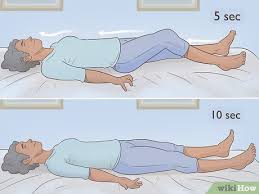
Finding it hard to fall asleep fast is a common problem for many. This guide offers clear steps and insights to help you relax your mind and body, so you can get to sleep quicker. We cover easy tips, what to avoid, and how to build a good sleep habit. Sweet dreams are within reach!
Understanding Sleep and Why It’s Tricky
Sleep is how our bodies and minds rest and recover. It’s super important for our health. When we sleep, our brain cleans itself.
Our body fixes muscles and grows. Without enough good sleep, we can’t think well. We feel grumpy.
Our body doesn’t work right.
Many things can make it hard to fall asleep. Stress is a big one. Worries about work or family can keep us awake.
Our daily habits matter too. What we eat and drink can affect our sleep. Even the light from our phones before bed can trick our brain into staying awake.
Our body has a natural clock called the circadian rhythm. This clock tells us when to feel tired and when to feel awake. When this clock gets mixed up, sleep problems happen.
Things like irregular work shifts or jet lag can mess with it. Even just not getting enough sunlight during the day can impact this clock.
My Frustrating Night with the Wandering Mind
I remember one evening clearly. It was a Tuesday. I had a huge project deadline looming.
I’d finished my work but my mind was still buzzing. I lay down, feeling tired. My eyes closed.
Then, my brain started playing replays of my day. Did I say the right thing? What if that client wasn’t happy?
What if I forgot something important for tomorrow?
The thoughts just kept coming. They were like a never-ending loop. I tried breathing deeply.
I tried counting sheep. Nothing worked. The clock on my nightstand seemed to tick louder with every passing minute.
11 PM turned into 11:30. Then midnight. A wave of panic hit me.
I needed to sleep. My whole body felt tense. I could feel a knot in my stomach.
I felt so annoyed at myself for not being able to just relax and sleep.
How Your Brain and Body Signal Sleep
Your body has a natural way of preparing for sleep. One key player is a hormone called melatonin. Your brain makes more melatonin when it gets dark.
This hormone tells your body it’s time to wind down. It makes you feel sleepy. Light, especially blue light from screens, can stop melatonin production.
This is why limiting screen time before bed is often advised.
Another factor is body temperature. Your core body temperature naturally drops a bit as you get ready for sleep. This drop helps signal your brain that it’s time to rest.
Taking a warm bath or shower before bed can help with this. When you get out, your body cools down, which mimics this natural drop. This can make you feel sleepy.
Muscle tension also plays a role. When you’re stressed or anxious, your muscles can become tight. This physical tension can keep your mind active.
Learning to relax your muscles is a big part of falling asleep faster. Progressive muscle relaxation is a technique where you tense and then release different muscle groups. This helps you notice the difference between tension and relaxation.
Sleep Cycle Basics
What is a Sleep Cycle?
Your sleep happens in cycles. Each cycle has different stages. These stages move between light sleep, deep sleep, and REM sleep.
REM sleep is when you dream. A full cycle lasts about 90 minutes. You go through several cycles each night.
Why Cycles Matter
Waking up during deep sleep can make you feel groggy. Waking up naturally at the end of a cycle feels much better. Understanding these cycles helps us see why consistent sleep schedules are good.
The Role of Your Bedroom Environment
Your bedroom should be a sanctuary for sleep. It needs to be dark, quiet, and cool. Even small amounts of light can disrupt your sleep.
Think about streetlights or the light from electronics. Blackout curtains can be a big help. Some people also use a white noise machine.
This machine can cover up sudden, jarring sounds.
The temperature in your room is also important. Most experts suggest a cooler room for sleep. Around 60-67 degrees Fahrenheit is often recommended.
This cooler temperature helps your body’s natural cooling process that signals sleep. If your room is too hot or too cold, you might toss and turn a lot.
Your bed itself should be comfortable. This means a good mattress and pillows that support your body. If your bed is old or uncomfortable, it can make falling asleep harder.
It can also lead to aches and pains that disrupt your sleep.
Bedroom Checklist for Better Sleep
- Darkness: Use blackout curtains. Cover or remove glowing electronics.
- Quiet: Use earplugs if needed. Consider a white noise machine.
- Cool Temp: Aim for 60-67°F (15-19°C).
- Comfort: Ensure your mattress and pillows are supportive and comfy.
- Cleanliness: A tidy room can promote a tidy mind.
Evening Habits That Help or Hurt Sleep
What you do in the hours before bed has a big impact. Eating a heavy meal right before sleep can cause discomfort. It can lead to indigestion or heartburn.
This makes it hard to relax. Try to finish dinner a few hours before you plan to sleep.
Caffeine and alcohol are also tricky. Caffeine is a stimulant. It can keep you awake for hours.
Avoid coffee, tea, and soda late in the day. Alcohol might make you feel drowsy at first. But it often disrupts sleep later in the night.
This means you won’t get that deep, restorative sleep.
Regular exercise is good for sleep. But working out too close to bedtime can be energizing. Try to finish vigorous exercise at least a few hours before you plan to sleep.
Gentle activities like stretching or a slow walk can be fine.
Quick Scan: What to Do (and Not Do) Before Bed
| Do This | Avoid This |
|---|---|
| Relaxing bath or shower | Heavy meals or spicy foods |
| Reading a physical book | Bright screens (phones, TVs, computers) |
| Light stretching or meditation | Caffeine or alcohol close to bed |
| Listening to calm music | Intense workouts right before sleep |
The Power of a Bedtime Routine
A consistent bedtime routine tells your brain and body that sleep is coming. It’s like a signal. This routine should be calming.
It can include a warm bath. Reading a book is also good. Avoid anything too stimulating.
This means no work emails or stressful news.
Try to make your routine the same length each night. For example, aim for 30-60 minutes. This consistency is key.
Your body will start to associate these activities with winding down. This makes it easier to fall asleep when you finally get into bed. Even on weekends, try to stick to your routine as much as possible.
For some, journaling their thoughts can help. If your mind races, writing down your worries can help clear them from your head. You can jot down things you need to do tomorrow.
This way, they are out of your mind. Then you can focus on resting. It’s about creating a buffer between your busy day and peaceful sleep.
Mental Strategies to Calm a Busy Mind
Sometimes, the biggest hurdle is our own thoughts. If you find yourself overthinking, try a few mental tricks. Visualization is one.
Imagine a peaceful place. Focus on the sights, sounds, and smells. It could be a beach, a forest, or a cozy cabin.
The more detail you add, the more your mind can focus on that peaceful scene.
Another technique is to try to not fall asleep. This sounds strange, but it can reduce the pressure. If you tell yourself you must fall asleep, you often do the opposite.
You become more anxious. Instead, try to just rest. Focus on being comfortable and relaxed in bed.
Often, sleep comes when you stop trying so hard.
Deep breathing exercises are also very effective. Simple deep breaths can slow your heart rate. They can calm your nervous system.
Try inhaling slowly through your nose, filling your belly with air. Then exhale slowly through your mouth. Repeat this several times.
It helps ground you in the present moment.
Calming Your Thoughts: A Simple Flow
- Acknowledge: Notice the thoughts without judgment.
- Breathe: Take slow, deep breaths.
- Redirect: Gently guide your mind to a peaceful image or sensation.
- Release: Imagine letting the thoughts drift away like clouds.
When to Consider Professional Help
Most of the time, simple changes can make a big difference. But sometimes, sleep troubles are more serious. If you consistently struggle to fall asleep, it might be a sign of an underlying issue.
Insomnia is a common sleep disorder. It can affect your daily life significantly.
Other conditions, like sleep apnea or restless legs syndrome, can also cause sleep problems. These need medical attention. If you have daytime sleepiness that affects your work or driving, or if you snore very loudly, talk to a doctor.
A healthcare provider can help figure out what’s going on. They can offer solutions or refer you to a sleep specialist.
Don’t hesitate to seek help. Getting good sleep is crucial for your overall health and well-being. A doctor can provide expert advice.
They can also rule out any serious medical causes for your sleep issues. They might suggest treatments like cognitive behavioral therapy for insomnia (CBT-I). CBT-I is a very effective therapy.
The Science Behind Sleep Aids
Many people wonder about sleep aids. Over-the-counter options often contain antihistamines. These can cause drowsiness.
However, they aren’t always the best long-term solution. They can lead to grogginess the next day. Some people also develop a tolerance to them.
Prescription sleep medications exist too. These are usually for short-term use. They can be very effective for acute insomnia.
But they come with risks. Side effects can include dependence, addiction, and changes in behavior. Always discuss these options carefully with your doctor.
They can weigh the benefits against the risks for your specific situation.
Natural remedies are also popular. Melatonin supplements are widely available. They can help reset your body clock.
Valerian root and chamomile tea are also used for relaxation. However, ‘natural’ doesn’t always mean ‘risk-free’. It’s still a good idea to talk to your doctor before trying new supplements.
This is especially true if you have other health conditions or take other medications.
Common Sleep Aids: What to Know
Melatonin: A hormone that regulates sleep-wake cycles. Best for jet lag or shift work. Timing is important.
Herbal Teas (Chamomile, Valerian): Traditionally used for relaxation. Effects can be mild.
Antihistamines (OTC): Cause drowsiness but can have side effects like dry mouth and daytime grogginess.
Prescription Medications: Generally for short-term use, prescribed by a doctor. Carry risks of dependence and side effects.
Understanding Your Sleep Needs
How much sleep do you actually need? Most adults need between 7 and 9 hours of sleep per night. Children and teenagers need even more.
Your individual needs might be slightly different. Pay attention to how you feel during the day. If you’re constantly tired, you might not be getting enough quality sleep.
It’s not just about the number of hours, though. Sleep quality is also vital. You can sleep for 9 hours but still feel tired if your sleep is broken or shallow.
This is why focusing on good sleep hygiene is so important. Creating the right environment and habits helps you achieve deeper, more restorative sleep.
Consistency is crucial for your body clock. Try to go to bed and wake up around the same time every day. Yes, even on weekends!
This helps regulate your circadian rhythm. It makes it easier for your body to know when it’s time to sleep and when to be alert. This consistency is a cornerstone of good sleep health.
The Impact of Light Exposure
Light is one of the most powerful signals for our body clock. Exposure to bright light, especially sunlight, during the day helps keep us alert. It also signals our body to be awake.
When evening comes, dimming the lights tells our brain it’s time to prepare for sleep. This is when melatonin production increases.
Modern life often works against this. We stare at bright screens for hours. This blue light suppresses melatonin.
This makes it harder to fall asleep. Try to reduce screen time in the 1-2 hours before bed. If you must use screens, consider using blue light filters or night mode settings.
These can reduce the amount of blue light emitted.
Natural light is best. Try to get some sunlight exposure soon after waking up. This helps reset your internal clock for the day.
Even on cloudy days, outdoor light is much brighter than indoor light. Open curtains and blinds early in the morning. This small habit can make a difference.
Creating the Perfect Sleep Environment
Let’s dive deeper into making your bedroom a sleep haven. The darkness is paramount. Even tiny lights can be disruptive.
Think about the small light on your TV, the clock radio, or even a power strip. Cover them up with tape or turn them away from your bed. If you live in a city with lots of light pollution, blackout curtains are a worthy investment.
Noise can also be a problem. If you live in a noisy area, consider earplugs. They can block out traffic sounds or noisy neighbors.
A white noise machine or a fan can also help. The consistent, low hum can mask sudden, sharp noises. This can create a more peaceful soundscape for sleep.
Comfort is subjective, but important. What feels good for one person might not for another. Your mattress should support your spine.
Your pillows should keep your head and neck aligned. Think about your bedding too. Breathable fabrics like cotton or linen are good.
They help regulate your body temperature.
Mindfulness and Relaxation Techniques
Mindfulness is about paying attention to the present moment without judgment. This can be a powerful tool for sleep. When you’re in bed, instead of fighting your thoughts, try to notice them.
Acknowledge they are there, then gently bring your focus back to your breath or a physical sensation.
Guided meditations are a great way to practice mindfulness for sleep. Many apps offer them. They can lead you through calming imagery or body scans.
These practices help quiet the mental chatter. They encourage a state of deep relaxation. This makes it much easier to drift off to sleep.
Simple stretching or gentle yoga poses before bed can also help. These movements release physical tension. They also help you connect with your body.
This can bring you out of your head and into a more relaxed state. Remember to keep it gentle; the goal is relaxation, not a workout.
Simple Relaxation for Sleep
Body Scan: Lie down and bring your awareness to your toes. Notice any sensations. Then move your awareness up your body, to your feet, ankles, calves, and so on.
Just observe without trying to change anything.
Mindful Breathing: Focus on the sensation of your breath entering and leaving your body. Feel your chest or belly rise and fall. When your mind wanders, gently bring it back to your breath.
Gentle Stretches: Focus on areas of tension, like your neck, shoulders, or hips. Hold each stretch for 20-30 seconds, breathing deeply.
The Impact of Diet on Sleep Quality
What you eat and drink throughout the day can affect how well you sleep. Certain foods can disrupt sleep. High-fat meals or spicy foods close to bedtime can cause indigestion.
This discomfort can keep you awake. Sugar-rich foods can also cause energy spikes and crashes. These can interfere with your sleep cycle.
On the flip side, some foods can promote sleep. Foods containing tryptophan, an amino acid, can help. Tryptophan is used by the body to make serotonin and melatonin.
Examples include turkey, chicken, milk, nuts, and seeds. Magnesium-rich foods like leafy greens, nuts, and whole grains are also beneficial. Magnesium helps regulate neurotransmitters involved in sleep.
Hydration is also important. But drinking too much fluid right before bed can lead to nighttime bathroom trips. This interrupts your sleep.
Aim to finish most of your fluids a couple of hours before bedtime. Staying hydrated during the day is key, but pace yourself in the evening.
When is it “Normal” to Take a While to Fall Asleep?
It’s normal to not fall asleep the instant your head hits the pillow. For most people, it takes about 10 to 20 minutes to fall asleep. This is considered healthy.
It means you’re not falling asleep too quickly, which could indicate you’re overtired. It also means you’re not lying awake for hours.
Occasional nights where it takes longer are also normal. Maybe you had a stressful day, or you drank too much caffeine. If you find yourself awake after 20-30 minutes, it’s often recommended to get out of bed.
Do something quiet and relaxing in dim light. Return to bed when you feel sleepy. This helps your brain associate your bed with sleep, not with frustration.
The key is consistency and pattern. If you’re regularly taking much longer than 30 minutes to fall asleep, or if you wake up during the night and can’t get back to sleep, it’s worth paying attention. This could be a sign of something that needs adjustment.
When to Worry About Your Sleep Habits
You should start to worry if your difficulty falling asleep is happening often. If it’s more than a few nights a week, and it’s been going on for weeks or months. If this sleep trouble is causing you problems during the day.
Are you feeling excessively tired? Is your mood low? Is it hard to concentrate?
These are signs that your sleep issues are impacting your life.
Also, pay attention to any physical symptoms. Loud snoring, gasping for air during sleep, or leg discomfort can indicate underlying sleep disorders. These need professional assessment.
Don’t brush these aside. They could be linked to serious health issues.
If you find yourself relying on alcohol or over-the-counter aids to fall asleep, that’s also a signal. While these might offer temporary relief, they can create new problems. They might mask a deeper issue or lead to dependence.
It’s a good time to seek advice.
Quick Tips for Falling Asleep Faster Tonight
Let’s recap with some super simple actions you can try right away:
- Dim the Lights: Lower the lights in your home an hour or two before bed.
- Tech Curfew: Put away phones, tablets, and TVs at least 30-60 minutes before sleep.
- Relaxing Activity: Read a book, listen to calm music, or take a warm bath.
- Cool Room: Make sure your bedroom is cool and comfortable.
- Deep Breaths: Practice a few slow, deep breaths to calm your nervous system.
- If Awake, Get Up: If you’re lying awake for more than 20 minutes, get out of bed. Do something quiet until you feel sleepy.
These are quick steps. They are designed to help you shift your mindset and body towards rest. Small changes can often have a big impact.
Frequently Asked Questions About Falling Asleep Faster
How quickly should I be able to fall asleep?
It’s normal to take about 10 to 20 minutes to fall asleep. If it regularly takes you much longer, or if you struggle to stay asleep, you might want to explore your sleep habits further.
Can I use my phone in bed before sleeping?
It’s best to avoid your phone in bed. The blue light it emits can trick your brain into thinking it’s daytime. This suppresses melatonin production.
Try to put your phone away at least an hour before bedtime.
What if I can’t stop my thoughts from racing?
Try a few techniques. Write down your thoughts before bed. Practice deep breathing.
Or try a guided meditation. Sometimes, just acknowledging your thoughts without judgment and returning your focus to your breath can help quiet your mind.
Is it okay to nap if I didn’t sleep well?
Short naps (20-30 minutes) can be refreshing. But long or late-afternoon naps can make it harder to fall asleep at night. If you had a poor night’s sleep, a short nap early in the day might help.
Avoid napping too close to your bedtime.
What is the best temperature for sleep?
Most experts recommend a bedroom temperature between 60 and 67 degrees Fahrenheit (15-19 degrees Celsius). A cooler room helps your body’s natural temperature drop, which signals sleep.
Can diet really affect how fast I fall asleep?
Yes, diet plays a role. Heavy, spicy, or sugary meals close to bed can disrupt sleep. Foods rich in tryptophan and magnesium might help.
Staying hydrated is important, but avoid drinking too much right before bed.
Finding Your Path to Restful Sleep
Getting good sleep is a journey. It often involves small, consistent changes. Be patient with yourself.
What works for one person might not work for another. Experiment with these tips. Find what helps you relax and unwind.
Prioritizing your sleep is an act of self-care.
By understanding how your body works and making small adjustments to your habits and environment, you can significantly improve your ability to fall asleep faster. Remember that good sleep is a foundation for good health. Sweet dreams!
