
Fixing posture involves simple adjustments and consistent practice. It means understanding common causes like long sitting hours, weak muscles, and poor habits. Key steps include regular stretching, strengthening core and back muscles, and mindful awareness throughout the day. This approach helps relieve pain and improves overall well-being.
Understanding Your Posture
Your posture is how you hold your body when you stand, sit, or lie down. Good posture means your body is aligned properly. Your ears, shoulders, hips, knees, and ankles should line up when viewed from the side.
This alignment helps your muscles and bones work at their best. It also reduces stress on your ligaments. Good posture helps your body function efficiently.
It also prevents muscles from getting tired too quickly.
Bad posture, on the other hand, puts extra strain on your body. This can lead to pain. It can also cause wear and tear on joints over time.
Think of your body like a building. If the foundation isn’t straight, the whole structure can become wobbly. Your spine is your body’s main support beam.
Keeping it aligned is super important.
Why does posture become an issue? Many things play a role. Modern life is a big one.
We sit for long periods for work or school. We look down at phones and tablets. These habits make us slouch.
Our muscles can get tight and weak. This makes it hard to hold a good position.
Genetics can also play a part. Some people might naturally have a tendency towards certain spinal curves. However, lifestyle choices are often the biggest factor.
Even stress can affect how you hold your body. When you’re stressed, you might tense up your shoulders. This can pull them forward.
It’s also about what we don’t do. We often don’t move enough. We don’t do exercises that strengthen the right muscles.
These are the muscles that support good posture. Things like weak core muscles or tight chest muscles can pull your body out of alignment. This is a common problem we see everywhere.
Learning to fix your posture isn’t just about looking better. It’s about feeling better. It’s about helping your body work the way it was designed to.
When your posture is good, your breathing can be deeper. Your digestion can improve. You might even feel more confident.
It’s a chain reaction of positive effects.
So, the first step is just awareness. Start noticing how you sit and stand. Where does your body tend to fall out of line?
This self-check is key. It’s the foundation for making any changes. You don’t need fancy equipment.
You just need to pay attention to your body.
Common Posture Pitfalls
Hunching Forward: Especially when looking at screens. Shoulders round, head juts out.
Slouching: Sitting or standing with a rounded back. Pelvis tilts backward.
Uneven Shoulders: One shoulder higher than the other. Often from carrying bags on one side.
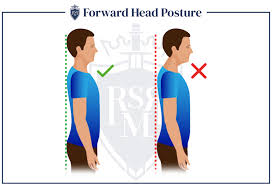
Forward Head: Head pushes forward from the shoulders. Like a turtle sticking its neck out.
My Own Posture Journey: A Shoulder-Slumped Story
I remember a time when I thought back pain was just part of being an adult. I worked a lot on my computer. My office chair wasn’t the best.
I’d sit for hours, and by the end of the day, my shoulders felt like they were glued to my ears. My neck would ache terribly. I’d often catch myself looking at my phone with my head bent at a really awkward angle.
It was embarrassing, and it hurt.
One evening, I was trying to take a picture of my cat. I leaned over to get a good shot. I felt this sharp, unexpected twinge in my lower back.
It wasn’t severe, but it scared me. It made me realize that my constant slouching and poor habits were really catching up to me. I felt a pang of panic.
Was I going to have chronic pain forever?
That moment was a wake-up call. I decided I had to do something. I started researching.
I talked to friends who were into fitness. I learned that my “relaxed” posture was actually my muscles screaming for help. They were either too tight or too weak to hold me up correctly.
It was a hard truth to accept, but it was also empowering.
I began making small changes. I’d set timers to remind myself to sit up straight. I started doing simple stretches at my desk.
I even bought a special cushion for my chair. It wasn’t an overnight fix. There were days I’d forget and slip back into old habits.
But slowly, consistently, I started to notice a difference. The aches lessened. I could sit for longer without discomfort.
My shoulders felt more relaxed. It felt like a superpower, honestly, being able to control my own comfort. That journey taught me that even small, consistent efforts can lead to big improvements.
The Root Causes of Poor Posture
We see poor posture everywhere. But what truly causes it? It’s not usually just one thing.
It’s a mix of our environment, our daily actions, and how our bodies work. Understanding these causes is the first step to fixing them. It helps us target the right areas.
One of the biggest culprits today is prolonged sitting. Many jobs require us to sit at a desk for eight hours or more. Our bodies aren’t designed for that.
When we sit for too long, certain muscles get tight. These are often the muscles in our hips and chest. At the same time, other muscles get weak.
These are usually the ones in our core and our upper back. This imbalance pulls us out of alignment. It makes slouching almost natural.
Looking down at screens is another major factor. Phones, tablets, and even laptops can encourage a “forward head” posture. Your head is heavy.
When it’s out in front of your shoulders, your neck muscles have to work extra hard to hold it up. This strains your neck and upper back. It can lead to pain and stiffness.
It’s like carrying an extra bowling ball on your shoulders all day.
Weak core muscles are a huge problem. Your core muscles are in your abdomen and back. They act like a natural corset for your body.
They support your spine. If these muscles are weak, your spine doesn’t have enough support. This makes it harder to maintain good posture.
It’s harder to stand or sit tall. Your body tends to collapse inward.
Tight muscles can also mess with your posture. Tight hamstrings, for example, can pull on your pelvis. This can tilt it backward.
This often leads to a rounded lower back. Tight chest muscles can pull your shoulders forward. This is common for people who spend a lot of time typing or doing pushing exercises.
Your body tries to compensate for the tightness.
Lack of movement and exercise is another big factor. If you don’t move regularly, your muscles can become deconditioned. They lose strength and flexibility.
Specific exercises are needed to strengthen the muscles that support good posture. Without them, your body will naturally fall into less ideal positions. It’s like a car that needs regular maintenance.
Your body needs exercise to function well.
Sometimes, how we sleep can affect our posture. Sleeping on your stomach can strain your neck. Using a pillow that’s too flat or too high can also cause issues.
Your spine should be in a neutral position even when you’re sleeping.
Common Muscle Imbalances Affecting Posture
Tight Chest Muscles (Pectorals): Pull shoulders forward, leading to a rounded upper back.
Weak Upper Back Muscles (Rhomboids, Trapezius): Cannot pull shoulder blades back effectively.
Tight Hip Flexors: Often from prolonged sitting, can tilt the pelvis forward or backward.
Weak Core Muscles (Abs, Lower Back): Lack of spinal support.
Tight Hamstrings: Can pull down on the pelvis, affecting lower back curve.
The Real-World Impact: How Posture Affects Daily Life
It’s easy to think of posture as just how you look. But it affects so much more. Your posture influences how you feel, how you move, and even how your body functions internally.
Let’s look at some real-world examples.
Think about someone who always slouches. They might find themselves easily getting tired. Their muscles have to work harder just to keep them upright.
This constant strain can lead to chronic pain. We’re talking about neck pain, shoulder pain, and lower back pain. This pain can make everyday tasks difficult.
It can limit your ability to enjoy activities.
Poor posture can also impact your breathing. When you hunch over, your rib cage is compressed. This limits the space your lungs have to expand.
Deeper breaths become harder. You might find yourself taking shallower breaths without even realizing it. Good posture allows your lungs to fill up fully.
This means more oxygen gets to your body. This can help with energy levels and focus.
Digestion is another area that can be affected. When you slouch, your abdominal organs get compressed. This can slow down digestion.
It can lead to issues like bloating or discomfort. Standing or sitting tall creates more space. This allows your digestive system to work more smoothly.
It’s a simple, often overlooked benefit.
Your confidence can also be tied to your posture. Studies have shown that standing tall can make you feel more confident. It can even make you feel more powerful.
When you slump, you can appear less approachable. You might feel less sure of yourself. Good posture projects an image of self-assurance.
It can actually influence how you feel from the inside out.
Consider someone who plays sports or exercises. Good posture is crucial for athletic performance. It allows for better movement, balance, and power.
An athlete with poor posture is more prone to injuries. Their body isn’t aligned for optimal function. This makes them less efficient and more vulnerable.
Even how you interact with others can be influenced. When you stand or sit with good posture, you make better eye contact. You appear more engaged.
This can improve your social interactions. It’s a subtle but significant effect. It’s all connected.
Posture and Well-being: A Snapshot
Pain Relief: Alleviates neck, shoulder, and back discomfort.
Improved Breathing: Allows for deeper, more effective breaths.
Better Digestion: Reduces compression on abdominal organs.
Increased Energy: Muscles work more efficiently, less fatigue.
Enhanced Confidence: Projects an image of self-assurance.
Reduced Injury Risk: Better alignment for physical activities.
Simple Exercises to Improve Your Posture
The good news is that you don’t need to be a gym expert to improve your posture. There are many simple exercises you can do. They help strengthen the right muscles and increase flexibility.
Consistency is key here. Doing them a little bit every day is better than doing them all at once.
Let’s start with strengthening your upper back. This is crucial for pulling your shoulders back. A great exercise is the wall angel.
Stand with your back against a wall. Try to keep your head, shoulders, and buttocks touching the wall. Bend your elbows to 90 degrees.
Your forearms should be parallel to the floor. Slowly slide your arms up the wall. Keep your elbows and wrists touching the wall as much as possible.
Then, slowly slide them back down. Do this for 10-15 repetitions. It feels tough at first, but it’s amazing for your posture.
Next, let’s work on your core. A strong core supports your entire spine. A simple and effective exercise is the plank.
Start on your hands and knees. Lower your body onto your forearms. Keep your body in a straight line from your head to your heels.
Don’t let your hips sag or lift too high. Engage your abdominal muscles. Hold this position for 20-30 seconds.
Gradually increase the time as you get stronger. Repeat this 2-3 times.
Stretching tight muscles is also very important. Tight chest muscles pull your shoulders forward. A simple chest stretch can help.
Stand in a doorway. Place your forearm on the doorframe, with your elbow bent at a 90-degree angle. Step forward gently until you feel a stretch in your chest and shoulder.
Hold for 20-30 seconds. Repeat on the other side. This simple stretch can make a big difference in opening up your chest.
Hip flexors often get tight from sitting. You can stretch these with a kneeling hip flexor stretch. Kneel on one knee.
Place your other foot flat on the floor in front of you. Gently push your hips forward. You should feel a stretch in the front of the hip of your kneeling leg.
Keep your torso upright. Hold for 20-30 seconds. Repeat on the other leg.
This helps to release tension that can pull on your pelvis.
Another exercise that helps with upper back strength is the superman. Lie on your stomach. Extend your arms overhead.
Keep your legs straight. Slowly lift your arms, chest, and legs off the floor. Squeeze your back muscles.
Hold for a few seconds. Then, slowly lower back down. Repeat this 10-15 times.
This exercise works the muscles along your spine.
Remember to listen to your body. If something causes pain, stop. It’s always a good idea to talk to a doctor or physical therapist before starting a new exercise program, especially if you have existing pain.
They can help tailor exercises to your specific needs. Even a few minutes of these exercises each day can create significant changes over time. The goal is to build strength and flexibility to support a better posture.
Quick Posture Check & Stretch Routine
1. Stand Tall: Imagine a string pulling you up from the crown of your head.
2. Shoulder Roll: Roll shoulders up, back, and down. Repeat 5 times.
3. Chin Tuck: Gently pull your chin back, as if making a double chin. Hold for 5 seconds.
4. Chest Stretch: Doorway stretch for 30 seconds per side.
5. Core Brace: Gently tighten your abdominal muscles for 30 seconds while standing or sitting.
Making Posture a Habit: Mindfulness and Environment
Improving posture isn’t just about exercises. It’s also about making conscious choices throughout your day. This means being mindful of how you sit, stand, and move.
It also means setting up your environment to support good posture.
Mindfulness is key. Start by simply noticing your posture throughout the day. Are you slouching while you read?
Is your head jutting forward as you scroll on your phone? Set little reminders for yourself. You could use sticky notes or phone alarms.
These gentle nudges help you correct your posture before it becomes a habit.
When you’re sitting, try to maintain a neutral spine. Your feet should be flat on the floor. Your knees should be at a 90-degree angle.
Your back should be supported, ideally by the back of your chair. If your chair doesn’t offer enough support, use a small pillow or rolled-up towel. This helps maintain the natural curve of your lower back.
When you’re standing, distribute your weight evenly on both feet. Don’t lean on one leg. Keep your shoulders relaxed and your head balanced directly over your spine.
Imagine that string pulling you up from the crown of your head. This helps you stand taller.
Your workspace should be set up for good posture. Your computer monitor should be at eye level. This prevents you from looking down.
Your keyboard and mouse should be close enough so you don’t have to reach. If you’re working on a laptop for extended periods, consider using an external keyboard and mouse. You might also need a laptop stand to raise the screen.
Take breaks! Movement is essential. Get up and walk around at least every 30 minutes.
Do some simple stretches during these breaks. This helps prevent muscles from becoming stiff and tight. It also reminds your body to move in different ways.
Consider your sleeping habits. A good mattress and supportive pillows are important. Your pillow should keep your head and neck aligned with your spine.
For most people, this means a pillow that supports the natural curve of the neck. Sleeping on your back or side is generally better for posture than sleeping on your stomach.
What about your shoes? Wearing high heels for long periods can throw off your body’s alignment. They can tilt your pelvis forward.
This can lead to lower back pain. Try to wear supportive shoes whenever possible. If you do wear heels, try to limit the time you wear them.
Even simple things like how you carry your bag can matter. Try to distribute weight evenly. If you carry a heavy bag, switch sides often.
Consider using a backpack with both straps. This helps balance the load on your shoulders and back.
Ergonomic Workspace Tips
Monitor Height: Top of screen at eye level.
Chair Support: Lumbar support for lower back curve.
Keyboard/Mouse: Close to body, wrists straight.
Foot Position: Feet flat on floor, knees at 90 degrees.
Regular Breaks: Move every 30 minutes.
When to Seek Professional Help
While many posture issues can be improved with self-care, there are times when you should seek professional advice. If you experience persistent or severe pain, it’s important to see a doctor. They can help diagnose the underlying cause.
A physical therapist is an excellent resource for posture improvement. They can assess your posture, identify muscle imbalances, and create a personalized exercise plan. They can also teach you proper movement mechanics.
This can help prevent future problems. They are experts in how the body moves and functions.
Chiropractors can also offer assistance. They focus on the spine and its relationship to the rest of the body. Adjustments and advice from a chiropractor can help improve spinal alignment.
They can also provide guidance on exercises and lifestyle changes.
If you suspect your posture issues are related to an underlying medical condition, such as arthritis or scoliosis, it’s essential to consult a medical doctor. They can provide the right diagnosis and treatment plan. For example, scoliosis is a curvature of the spine that may require specific medical intervention.
Don’t ignore persistent discomfort. While some aches might seem minor, they can be indicators of larger issues. Early intervention is often the best approach.
It can prevent minor problems from becoming chronic. It can also prevent more serious health concerns down the line. Your body is designed to move and function well.
If it’s not, pay attention.
Sometimes, even with the best efforts, it’s hard to know what to do. You might feel like you’re doing everything right, but not seeing results. This is when talking to an expert can provide clarity.
They have the knowledge and experience to guide you. They can offer solutions you might not have considered.
Signs You Should See a Professional
Severe or Persistent Pain: Pain that doesn’t go away with rest or simple self-care.
Numbness or Tingling: Especially in arms or legs, could indicate nerve compression.
Limited Range of Motion: Difficulty moving your neck, shoulders, or back.
Visible Spinal Curvature: If you notice significant changes in your spine’s shape.
Lack of Improvement: If self-care efforts aren’t yielding results after a reasonable time.
Frequently Asked Questions About Posture Correction
How long does it take to fix posture?
Fixing posture is a gradual process. It takes time and consistent effort. You might notice small improvements within a few weeks of starting exercises and being more mindful.
However, significant, long-term changes can take several months to a year or more. It depends on the severity of the issue and your dedication to the process.
Can I fix my posture if I’m older?
Absolutely! While it might be a bit more challenging than for younger individuals, it is absolutely possible to improve posture at any age. Older adults can benefit greatly from targeted exercises and lifestyle adjustments.
The key is to be consistent and to work with your body’s capabilities. Consult a doctor or physical therapist for guidance.
Is bad posture reversible?
Yes, in many cases, bad posture is reversible. This is especially true if the issues stem from poor habits and muscle imbalances rather than severe structural problems. Consistent exercise, stretching, and mindful awareness can retrain your muscles and improve spinal alignment over time.
Early intervention usually leads to better results.
Does sitting up straight all the time cause pain?
Sitting perfectly straight and rigid all the time isn’t natural and can cause strain. The goal is to maintain a neutral spine, which has natural curves. You should be able to move and shift slightly.
If you feel pain from sitting up straight, it might mean your muscles are weak or tight and aren’t yet strong enough to support you comfortably. Focus on good alignment rather than rigid stiffness.
What are the best posture correctors?
Posture correctors can be helpful for some people, but they are not a magic fix. Devices that pull your shoulders back can sometimes make your own muscles weaker if used too much. They are best used as a temporary reminder or in conjunction with a proper exercise program.
They should not be relied on as a sole solution. Focus on strengthening your own muscles.
Can poor posture affect my face?
Yes, poor posture can indirectly affect your face. A forward head posture, for example, can strain the muscles in your neck and face. This can lead to tension headaches and even contribute to changes in facial appearance over time, like sagging skin or double chins due to weakened neck support.
Keeping your head aligned over your shoulders is important for both your spine and your facial structure.
Conclusion
Improving your posture is a journey, not a destination. It’s about making small, consistent changes that add up over time. By understanding what causes poor posture, practicing simple exercises, and being mindful of your daily habits, you can feel better and move more freely.
Don’t get discouraged if you slip up. Just get back on track. Your body will thank you for it.
