
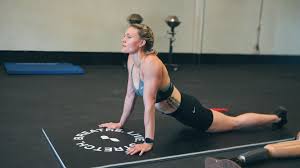
Start with gentle, beginner-friendly mobility exercises to gradually improve your range of motion. Focus on consistent practice with simple stretches and movements that target major joints. This approach builds a solid foundation for better flexibility and reduced stiffness in daily life.
Understanding What Mobility Is
Mobility is all about how well your joints can move. It’s not just about being flexible. It’s also about being able to control those movements.
Think about reaching for something on a high shelf. You need your shoulders and arms to move freely. You also need to control that movement so you don’t pull a muscle.
Good mobility means your muscles and connective tissues are ready to let your joints move through their full, healthy range. This helps your body perform better. It also helps keep you from getting hurt.
My First Real “Aha!” Moment with Mobility
I remember this one time a few years back. I was trying to pick up a dropped pen from the floor. It sounds simple, right?
But my back felt like it was in a vice. I had to bend really awkwardly, and it was just… uncomfortable. I felt so limited in my own body.
It wasn’t just that I was stiff; it was the feeling of my body saying “nope” to a basic movement. That’s when I really started looking into how I could make my body more willing to move. I thought I had to be super flexible or super strong to feel better.
Turns out, I just needed to help my joints remember how to move smoothly. It felt like I was unlocking a hidden part of myself.
Beginner Mobility Checklist
What to Focus On:
- Gentle movements
- Controlled pace
- Breathing
- Listening to your body
What to Avoid:
- Pushing too hard
- Jerky motions
- Pain
Why Beginner Mobility Matters So Much
When you start moving more, your body thanks you. It’s like giving your joints a nice oiling. This can make a big difference in your daily life.
You might find it easier to get out of a chair. Or maybe bending down to tie your shoes feels less like a chore.
For beginners, the goal isn’t to do backflips. It’s about building a foundation. This foundation helps your body feel better.
It can also help prevent injuries later on. Think of it as prepping your body for the life it needs to live.
The Difference Between Stretching and Mobility
Many people mix up stretching and mobility. Stretching is great. It helps lengthen your muscles.
Mobility is broader. It involves the muscles, joints, and nerves working together. It’s about moving through a range of motion actively and with control.
Static stretching holds a stretch for a while. Dynamic stretching involves moving through a range of motion. Mobility exercises often combine these ideas.
They focus on moving your joints through their full range. This helps improve both flexibility and strength. It prepares your body for more complex movements.
Getting Started: What You Need
The best part about beginner mobility exercises is that you don’t need much. You can do most of them right in your living room. Find a comfortable space where you have room to move.
You might want a yoga mat for a bit of cushioning. But even a soft carpet works fine. Wearing comfortable clothes is key.
You want to feel free to move without anything holding you back.
Most importantly, bring your patience. Progress takes time. Celebrate the small wins.
That little bit of extra movement you gain each week is a huge step.
Key Joints to Focus On for Beginners
Your body is a connected system. But some joints often get tight first. Focusing on these can bring big improvements.
These include your hips, shoulders, and spine. Ankles and wrists are also important.
These areas get a lot of use. They also tend to hold a lot of tension. By gently working on them, you can unlock a lot of freedom.
It feels good to have your whole body working well together.
Simple Mobility Exercises: Your First Steps
Let’s dive into some exercises. Remember to move slowly and with control. If something feels painful, stop.
You should feel a gentle stretch, not a sharp pain. Breathe deeply throughout each movement.
1. Cat-Cow Stretch
Get on your hands and knees. Your hands should be under your shoulders. Your knees should be under your hips.
As you breathe in, arch your back. Drop your belly toward the floor. Lift your head and tailbone.
This is the “Cow” pose. As you breathe out, round your spine toward the ceiling. Tuck your chin to your chest.
This is the “Cat” pose.
Repeat this 5 to 10 times. It helps wake up your spine. It also warms up your core muscles.
2. Neck Rolls
Sit or stand tall. Gently drop your chin towards your chest. Slowly roll your right ear towards your right shoulder.
Then, roll your chin back to your chest. Finally, roll your left ear towards your left shoulder. Try to make smooth, half-circle movements.
Go slowly. Only move as far as feels comfortable. Do about 5 rolls in each direction.
This helps release tension in your neck.
3. Shoulder Rolls
Stand or sit with your arms relaxed at your sides. Roll your shoulders forward in a circular motion. Make big, smooth circles.
Do about 10 rolls forward. Then, reverse the direction. Roll your shoulders backward for 10 rolls.
This helps loosen up your shoulder joints.
4. Arm Circles
Stand with your feet hip-width apart. Extend your arms straight out to the sides. Keep them parallel to the floor.
Make small circles forward. Do about 10 circles. Then, make them bigger.
Continue for another 10 circles. Reverse the direction. Start with small circles backward.
Then, make them bigger. This is great for shoulder and upper back mobility.
5. Torso Twists
Stand with your feet hip-width apart. Keep your knees slightly bent. Place your hands on your hips or cross them over your chest.
Gently twist your torso to the right. Keep your hips facing forward as much as possible. Then, twist to the left.
Move slowly and with control. Do about 10 twists on each side.
This helps improve the mobility of your mid-back. It’s often an area that gets stiff.
6. Hip Circles
Stand near a wall or chair for balance. Place your hands on the wall or chair. Lift one foot slightly off the ground.
Make a circle with your knee. Move it outwards and then inwards. Imagine you are drawing a circle with your kneecap.
Do about 10 circles in one direction. Then, switch directions for 10 circles. Repeat on the other leg.
This exercise is wonderful for hip joint health.
Quick Mobility Moves for Your Day
Morning Wake-Up: Cat-Cow, gentle neck rolls.
Desk Break: Torso twists, shoulder rolls.
Evening Wind-Down: Hip circles, deep breaths.
Expanding Your Mobility Routine: The Next Steps
Once you feel comfortable with these basic moves, you can add more. The goal is to gradually increase the challenge. You can also increase the duration of your sessions.
Consistency is more important than intensity.
Try adding some leg swings. You can also explore gentle lunges or squats. The key is to keep listening to your body.
If a new movement feels wrong, scale it back. There are always ways to modify exercises.
7. Ankle Circles
Sit on the floor with your legs extended. Lift one foot slightly. Rotate your ankle in a circular motion.
Do about 10 circles in one direction. Then, switch directions. Repeat on the other foot.
You can also do this standing and lifting one foot. This helps improve ankle flexibility.
8. Wrist Circles
Extend your arms forward. Make gentle fists with your hands. Rotate your wrists in circles.
Do about 10 circles in each direction. This can help if you spend a lot of time typing or using a mouse.
9. Downward-Facing Dog (Modified)
Start on your hands and knees. Tuck your toes under. Lift your hips up and back.
Your body should form an inverted V-shape. Keep your knees bent. Your heels don’t need to touch the floor.
Focus on pressing your hands into the ground. Feel the stretch in your shoulders and hamstrings. Hold for a few breaths.
This is a great full-body mobility move.
10. Child’s Pose
From hands and knees, sink your hips back towards your heels. Rest your forehead on the floor. Extend your arms in front of you or rest them alongside your body.
This is a resting pose. It helps to gently stretch your back and hips.
Mobility in Everyday Life
Mobility isn’t just for the gym. It’s for everything you do. Think about how you reach for something.
Or how you bend to pick up a child. Good mobility makes these tasks feel easier and safer.
Even small movements throughout the day help. Standing up from your desk every hour. Taking a few steps.
These actions keep your body from getting too stiff. They remind your joints how to move.
Mobility Myth vs. Reality
Myth: You need to be flexible to do mobility exercises.
Reality: Mobility exercises help you become more flexible. They work with what you have now.
Myth: Mobility is only for athletes.
Reality: Everyone can benefit from better mobility. It helps with daily tasks and pain prevention.
When to Be Extra Cautious
While mobility exercises are generally safe for beginners, there are times to be cautious. If you have a recent injury, talk to your doctor or a physical therapist first. They can guide you on what’s safe.
Also, if you have a chronic condition like arthritis, always consult your healthcare provider. They can help you adapt exercises to your needs. Listen to your body.
Pain is a signal that something is not right. Don’t push through sharp or intense pain.
The Role of Breathing in Mobility
Breathing is a powerful tool for mobility. Deep, calm breaths help relax your muscles. When you’re tense, your muscles tighten up.
This makes it harder to move. By focusing on your breath, you can signal to your body that it’s safe to relax.
Try to breathe deeply into your belly. As you inhale, let your belly expand. As you exhale, let it fall.
This type of breathing can really help you access deeper stretches and movements. It calms your nervous system too.
How Often Should Beginners Do Mobility Work?
For beginners, starting with 10-15 minutes a few times a week is a great goal. You can even break it up. Do 5 minutes in the morning and 5 minutes in the evening.
As you get more comfortable, you can increase the frequency or duration.
The most important thing is to make it a habit. Even short, regular sessions are better than one long session once in a while. Consistency builds lasting changes in your body.
Mobility Warm-Up Routine (5 Minutes)
1. Neck Rolls: 2 rounds each way.
2. Shoulder Rolls: 10 forward, 10 backward.
3. Arm Circles: 10 small forward, 10 large forward, 10 small backward, 10 large backward.
4. Torso Twists: 10 each side.
5. Hip Circles: 5 each direction, each leg.
Common Sticking Points and How to Address Them
One common issue is feeling like you’re not moving at all. This is normal when you start. Your body might be resistant.
Be patient. Celebrate any tiny bit of progress. Maybe your back arches a little more in Cat-Cow.
Or your arm circles feel a little smoother.
Another sticking point is pain. If you feel pain, stop. Re-evaluate the movement.
Are you going too fast? Are you forcing it? Try a smaller range of motion.
Sometimes, simply bending your knees more can help. There’s always a way to make it work for your body.
Integrating Mobility into Your Lifestyle
Think about where you can add movement. Before you get out of bed, do a few gentle stretches. While waiting for your coffee to brew, do some ankle circles.
After sitting for a while, stand up and do some torso twists.
These small moments add up. They keep your body from becoming stagnant. They help reinforce the neural pathways that control movement.
It makes your body more responsive.
Understanding Your Body’s Signals
Gentle Stretch: You feel a pull, but it’s comfortable. This is good.
Tightness: You feel resistance, but no sharp pain. This is often a sign to work more gently.
Pain: Sharp, stabbing, or intense discomfort. This is a stop sign. Do not push through it.
Mobility for Specific Needs
If you sit at a desk all day, your hips and back might get tight. If you do a lot of walking, your ankles and knees might need attention. Tailor your mobility work to what your body needs.
For desk workers, focus on hip flexor stretches and spinal twists. For walkers, focus on ankle flexibility and calf stretches. It’s about making your movement work for your life.
The Long-Term Benefits of Mobility for Beginners
As you continue your mobility journey, you’ll notice changes. Your posture might improve. You may experience less stiffness and discomfort.
Your balance could get better.
This improved mobility can even boost your mood. Feeling more capable in your body often leads to feeling better mentally. It’s a holistic approach to well-being.
It makes life feel a little easier.
Frequently Asked Questions
What are the most important mobility exercises for total beginners?
For total beginners, focus on simple, controlled movements that target major joints. Exercises like Cat-Cow, gentle neck rolls, shoulder rolls, arm circles, and torso twists are excellent starting points. They are safe and effective for waking up your body and improving basic range of motion.
Can mobility exercises help with lower back pain?
Yes, certain mobility exercises can help with lower back pain. Gentle movements that improve the mobility of your hips and spine, such as the Cat-Cow stretch and hip circles, can reduce stiffness and discomfort. However, if you have persistent or severe back pain, it’s important to consult a doctor or physical therapist.
How long does it take to see results from mobility exercises?
You can start to feel improvements in your mobility relatively quickly, often within a few weeks of consistent practice. Noticeable changes in stiffness and range of motion might take a bit longer, perhaps one to three months. The key is regular, dedicated effort rather than short bursts of activity.
Should I do mobility exercises before or after a workout?
Mobility exercises are often best done as a warm-up before a workout. They prepare your joints and muscles for movement, which can help prevent injuries. Light, dynamic mobility moves are ideal here.
Static stretching is usually better saved for after a workout or as a separate flexibility session.
What’s the difference between mobility and flexibility?
Flexibility refers to the ability of your muscles to lengthen. Mobility is broader; it’s the ability of your joints to move actively through their full range of motion. Mobility includes flexibility but also strength, coordination, and control within that range.
You can be flexible but not mobile if you lack control.
Is it okay to feel sore after mobility exercises?
Mild soreness, similar to what you might feel after a light workout, can sometimes occur if you’re trying new movements or working muscles you haven’t used much. However, sharp pain or significant muscle fatigue is not normal. If you experience intense soreness, you might have pushed too hard or performed the exercise incorrectly.
Final Thoughts on Your Mobility Journey
Starting a mobility practice is a gift to yourself. It’s about making your body feel more capable and comfortable. Remember to be patient and kind to yourself.
Every small movement counts. Enjoy the process of rediscovering how well your body can move!
