
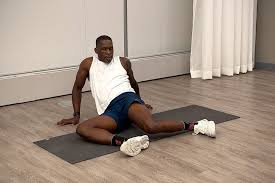
Movement snacks are short, focused bursts of physical activity. They are designed to be easily incorporated into your day. They help boost energy, improve mood, and support overall fitness goals without requiring a long time commitment.
What Are Movement Snacks?
Movement snacks are short periods of exercise. They are usually just a few minutes long. You do them between longer tasks.
They break up long sitting times. They help your body feel better. They are not meant to be a full workout.
They are little boosts of energy and activity.
Think of them like real food snacks. You don’t eat a whole meal when you snack. You eat a small bite.
Movement snacks are similar. They are small bites of exercise. They fit into small gaps in your day.
These gaps often happen between meetings. Or maybe after dinner. Or even while waiting for water to boil.
The main idea is to move your body. You want to get your heart rate up a little. You want to stretch your muscles.
You want to feel more awake. This is different from a structured workout. A workout often takes 30 minutes or more.
Movement snacks are much shorter. They can be as short as 1 minute. Most are between 2 and 10 minutes long.
They are a way to be more active. They help you reach your daily activity goals. They also help you feel more energized.
This is key. Many people feel tired. They sit for long hours.
Movement snacks fight that feeling. They make your day feel better. They can also help you burn a few extra calories.
But the main benefits are energy and feeling good.
Why Movement Snacks Matter
Our bodies are made to move. We weren’t designed to sit still all day. When we sit too much, our bodies can struggle.
Muscles get tight. Blood flow slows down. We start to feel sluggish.
This can affect our mood too. It can make us feel tired and even stressed.
Movement snacks help fix this. They give your body a needed break from sitting. Even a minute or two of movement can make a difference.
It tells your body, “Hey, let’s get going!” This helps wake up your muscles. It gets your blood moving again. It can help clear your head.
For people trying to get fitter, they are great. Maybe you can’t get to the gym every day. Or maybe you can’t fit in a long run.
Movement snacks help you stay active. They keep your body used to moving. They can support your main fitness goals.
They also make exercise feel less daunting. You don’t need a lot of time to do them.
They are also good for your mental health. Moving your body releases endorphins. These are natural mood boosters.
So, a quick dance break can make you feel happier. A few jumping jacks can help you feel less stressed. It’s like a mini mental reset.
This is super important in today’s fast-paced world.
The benefits stack up. Doing a few 5-minute movement snacks throughout the day adds up. It’s better than doing nothing.
It helps build a habit of movement. It makes being active a normal part of your life. It’s not just for the gym.
It’s for your whole day.
My Own Movement Snack Story
I remember a time when I felt totally stuck. I was working from home a lot. My desk was my whole world.
I’d sit for hours. Meetings, emails, projects – it all blurred together. By the end of the day, I felt drained.
My back ached. My brain felt foggy. The thought of going to the gym felt like climbing Mount Everest.
It was just too much.
One afternoon, I was staring at my screen. I felt a familiar slump coming on. My shoulders were hunched.
I felt heavy. I thought, “I just need to move. But what can I even do in five minutes?” Then it hit me.
I didn’t need a full workout. I just needed a snack. I stood up.
I went into the kitchen. I put on one song I loved. Just one.
I danced around for the whole song. It was maybe three minutes. I spun.
I jumped a little. I just let loose. When the song ended, I felt different.
My back felt looser. My head was clearer. I felt a spark of energy.
It wasn’t like I ran a marathon, but it was enough to get me through the next hour. That little kitchen dance party became my secret weapon. It showed me how powerful even tiny bits of movement can be.
Movement Snack Ideas: Quick & Easy
Energy Boosters (1-3 minutes)
- Jumping jacks
- High knees
- Butt kicks
- Quick jog in place
- Stair climbing (if available)
Stretch & Loosen Up (3-5 minutes)
- Arm circles
- Leg swings
- Torso twists
- Neck rolls
- Cat-cow stretch
Strength Bursts (3-5 minutes)
- Wall push-ups
- Chair squats
- Calf raises
- Plank (hold for 30-60 seconds, repeat)
Types of Movement Snacks
There are many ways to do movement snacks. They can be tailored to what you like and what you need. The best ones are simple.
They don’t need special equipment. They can be done almost anywhere.
Some are focused on getting your heart pumping. These are great for a quick energy boost. Think jumping jacks, high knees, or running in place.
Even just walking briskly up and down your stairs a few times counts. These snacks make you breathe a little harder. They get your blood flowing faster.
This is wonderful for shaking off tiredness.
Other movement snacks focus on stretching and loosening up. These are perfect if you’ve been sitting for a long time. They help fight stiffness.
Examples include arm circles, leg swings, and torso twists. Simple stretches like reaching for your toes or doing a cat-cow pose can also be great. These help improve your flexibility and reduce muscle tension.
You can also do strength-focused movement snacks. These use your body weight. They help build muscle.
Chair squats are an easy one. Wall push-ups are another good option. Holding a plank for 30 to 60 seconds can also be a strong snack.
Doing a few of these can make your muscles feel stronger and more ready for action.
Don’t forget about fun movement snacks! These are about enjoyment. Dancing to a favorite song is a perfect example.
Mimicking exercises you see in a movie clip. Or even playing a quick game of catch with a pet. The goal is to move in a way that makes you happy.
This can make it easier to keep doing it.
The key is variety. Mix and match. See what feels best for you at different times of the day.
What works when you feel sleepy might be different from what works when you feel stiff.
Movement Snack vs. Full Workout
| Feature | Movement Snack | Full Workout |
| Duration | 1-10 minutes | 30+ minutes |
| Goal | Energy, mood, break from sitting | Fitness improvement, weight loss, endurance |
| Intensity | Low to moderate | Moderate to high |
| Equipment | None needed, bodyweight | Often requires gym equipment or specific gear |
| Planning | Spontaneous, easy to fit in | Requires scheduled time and planning |
Integrating Movement Snacks into Your Day
The real magic of movement snacks happens when you make them a habit. This means finding times when you can easily add them. It’s about being intentional.
You don’t need a big schedule change.
Start by looking at your day. Where are the natural breaks? When do you stand up anyway?
Maybe you get up to get a drink. Or to use the restroom. Or to talk to a family member.
These are perfect moments to add a quick snack.
For example, when you finish a work task, stand up. Do 20 squats. Then sit back down.
This takes less than a minute. But it breaks up the sitting. When you take a break to grab coffee, do some calf raises while the coffee brews.
Or walk up and down the stairs twice.
Set reminders. Your phone can help. Set alarms for every hour.
When the alarm goes off, do a quick snack. It could be a 2-minute stretch. Or 30 seconds of jogging in place.
The alarm acts as a prompt. It reminds you to move.
Think about activities you already do. Waiting for the microwave? Do some lunges.
Waiting for a webpage to load? Stand on one foot and then the other. Brushing your teeth?
Try balancing on one leg. These small moments add up. They become built-in movement.
Don’t try to do too much at once. Start small. Pick one or two times a day.
Add a 1-minute snack. Once that feels easy, add another. Or try a slightly longer snack.
The goal is consistency, not intensity. You want to build the habit.
Make it visible. Put a yoga mat by your desk. Keep a resistance band nearby.
Leave a jump rope by the door. Seeing these things can remind you to move. It makes it easier to start.
Snack Placement: Where to Fit Them In
- Morning Kickstart: Before breakfast or after waking up.
- Workday Breaks: Between tasks, meetings, or during virtual calls.
- Lunchtime Reset: A quick walk or stretches before or after eating.
- Afternoon Slump Fighter: To combat midday tiredness.
- Evening Wind-Down: Gentle movement to relax before bed.
- Chore Power-Ups: During or between household tasks.
Movement Snacks for Different Needs
Movement snacks are not one-size-fits-all. They can be adapted to fit your specific needs and goals. Whether you’re aiming for more energy, better focus, or just less stiffness, there’s a snack for you.
For Energy: If you hit that 3 PM slump, you need quick energy. Try jumping jacks, high knees, or dancing. Even climbing a flight of stairs can make a big difference.
These boost your heart rate and blood flow. They wake up your system.
For Focus: Feeling mentally foggy? A short walk, even around your house, can help. Simple stretches like neck rolls and shoulder shrugs also clear your head.
Some people find that light, rhythmic movements improve concentration.
For Stiffness: If you sit a lot, your body will feel stiff. Focus on stretching and mobility snacks. Try leg swings, torso twists, and arm circles.
A few minutes of gentle yoga poses like cat-cow can also be very effective.
For Stress Relief: Feeling overwhelmed? Deep breathing exercises combined with slow movements can calm your nervous system. Gentle stretching or a short walk in nature, if possible, can help melt away stress.
For Beginners: If you’re new to exercise, start super simple. Just standing up and sitting down 10 times. Or walking in place for 2 minutes.
The goal is just to move. As you get comfortable, you can add more.
For Athletes: Even seasoned athletes can use movement snacks. They can be used as active recovery. Or as a quick warm-up before a main workout.
Or to stay loose between sets.
Remember, the best snack is one you’ll actually do. So, experiment. Find what works for you.
What feels good. What fits into your life. Don’t force yourself to do something you dislike.
That’s a recipe for stopping.
Snack Styles to Try
The “Get Up and Go” Snack:
- Objective: Quick energy boost.
- Examples: Jumping jacks, high knees, stair sprints.
The “Loosen Up” Snack:
- Objective: Combat stiffness and improve mobility.
- Examples: Arm circles, leg swings, torso twists, shoulder rolls.
The “Power Break” Snack:
- Objective: Short burst of strength or cardio.
- Examples: Wall push-ups, chair squats, short plank hold.
The “Mind Clear” Snack:
- Objective: Reduce mental fatigue and stress.
- Examples: A short, mindful walk, gentle stretching, deep breathing.
When Movement Snacks Aren’t Enough
Movement snacks are fantastic for boosting energy and breaking up sedentary time. They are a supplement, not a replacement, for regular exercise. If your goal is significant weight loss, improved cardiovascular health, or building serious muscle, you will still need structured workouts.
Think of it this way: a few grapes are a nice snack. But they don’t replace a full meal. Movement snacks offer great benefits.
They help you feel better day-to-day. They make it easier to get to your main workouts. But they don’t provide the same training stimulus as a longer, more intense session.
If you’re experiencing persistent pain, severe fatigue, or have underlying health conditions, it’s always best to talk to a doctor or a physical therapist. They can give you personalized advice. They can help you create a safe and effective movement plan.
What works for one person might not work for another. Especially if there are health concerns involved.
Also, listen to your body. If you’re feeling very tired or unwell, a rest day is more important than forcing a movement snack. Rest is a vital part of recovery and overall health.
Sometimes, the best thing you can do is slow down and allow your body to heal.
Movement snacks are about adding more activity to your life. They are about making it easier to be active. But they shouldn’t be a source of stress.
If you find yourself dreading them, or if they feel like another chore, it might be time to re-evaluate. Maybe try a different type of snack. Or focus on a different time of day.
Are You Moving Enough? Quick Checks
- Sedentary Time: Do you sit for more than 6-8 hours a day?
- Energy Levels: Do you often feel tired without a clear reason?
- Stiffness: Do you feel stiff after periods of sitting or upon waking?
- Mood: Does your mood often feel low or sluggish?
- Workout Consistency: Do you struggle to fit in longer workouts regularly?
If you answered yes to several of these, movement snacks can be a great start!
Frequently Asked Questions About Movement Snacks
What is the main benefit of movement snacks?
The main benefit is that they help break up long periods of sitting. They boost energy, improve mood, and make you feel less stiff. They are easy to fit into a busy day.
How long should a movement snack be?
Movement snacks are typically short. They can be as little as 1 minute. Most are between 2 and 10 minutes long.
The exact length depends on the activity and your available time.
Do I need special equipment for movement snacks?
No, most movement snacks do not require any special equipment. They use your body weight and can be done anywhere, anytime. Things like stairs, chairs, or even just open floor space are usually all you need.
Can movement snacks help me lose weight?
Movement snacks can contribute to overall daily calorie burn. They help increase your activity levels. However, they are generally not intense enough on their own to cause significant weight loss.
They work best as a supplement to a consistent exercise routine and a healthy diet.
What are some good movement snacks for office workers?
Good snacks for office workers include: chair squats, wall push-ups, calf raises, stretching your arms and legs, torso twists, and taking short walks around the office or building. Even standing up and walking in place for a minute can help.
When is the best time to do a movement snack?
The best time is whenever you can fit it in! Common times include between work tasks, after meals, before bed, or during commercial breaks. Look for natural breaks in your day where you might otherwise be inactive.
Can movement snacks replace my regular workouts?
No, movement snacks are meant to complement, not replace, regular workouts. They are great for boosting daily activity and energy. But they don’t provide the same training stimulus as longer, structured exercise sessions for achieving fitness goals.
Conclusion
Movement snacks are a powerful tool. They help you be more active without needing a lot of time. They can boost your energy.
They can lift your mood. They can reduce stiffness. They are simple.
They are flexible. They are for everyone. Start adding these small bursts of activity into your day.
You might be surprised by how much better you feel. It’s about making movement a small, happy part of your life, one snack at a time.
